Greece Travel Guide: Athens, Santorini and Meteora
Plan your trip to Greece, from the Acropolis in Athens to Santorini's blue domes, the cliff-top monasteries of Meteora and Greek food.
Greece: Where Myth Meets Reality
Greece is more than a holiday destination. It is a place that stays with you, mixing human history with the light and colour of the Mediterranean.
From Mount Olympus, home of the ancient gods, to the turquoise waters of the Aegean, Greece has endless stories to tell about courage, art and a tradition of warm hospitality.
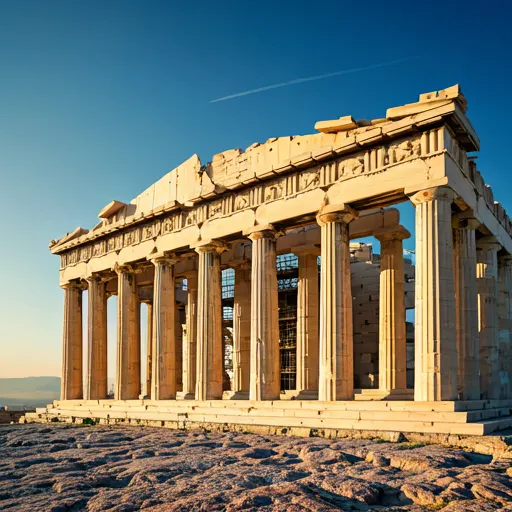
Greece: the cradle of Western civilisation
The Acropolis of Athens: Crown of the Ages
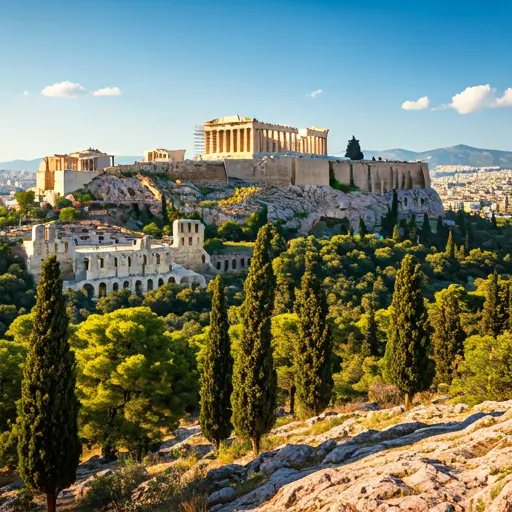
The Acropolis stands on a rocky hill in the heart of Athens, a lasting record of the genius of the ancient Greeks. Its best-known monument is the Parthenon, the temple dedicated to the goddess Athena.
Built between 447 and 432 BC, it is considered the high point of classical architecture. Try to visit early in the morning or towards sunset to avoid the heat and the crowds.
Santorini: The Island of Blue Domes
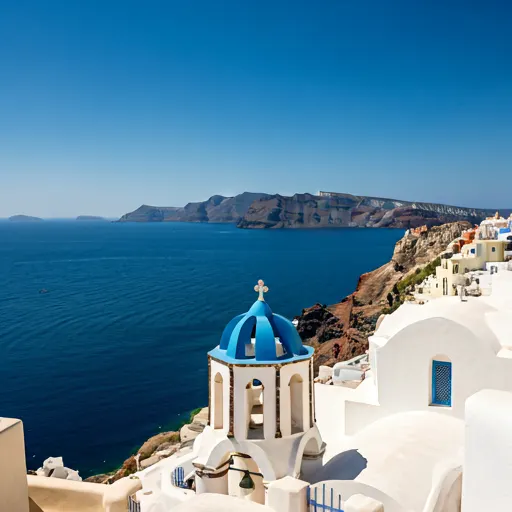
Santorini is the most famous of the Greek islands, known for its white houses and blue domes looking out over the volcanic caldera.
The village of Oia is the classic spot for one of the world's most celebrated sunsets.
Meteora: Between Earth and Sky

Meteora is a group of Orthodox monasteries built on top of towering rock pillars that reach heights of up to about 600 metres. The oldest monasteries date back to the 14th century.
Only six are open to visitors, and they look out over wide views of the surrounding plain.
Greek Food: A Medley of Flavours
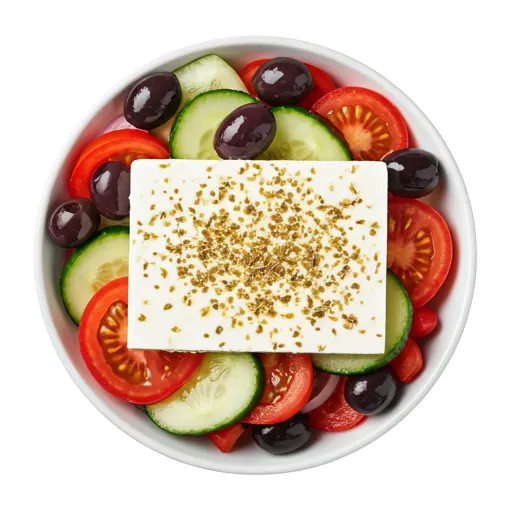
Greek salad (horiatiki)
A simple dish of tomatoes, cucumber, onion, black olives and feta cheese, dressed with extra virgin olive oil.

Moussaka
Layers of aubergine and minced meat topped with a golden béchamel sauce.
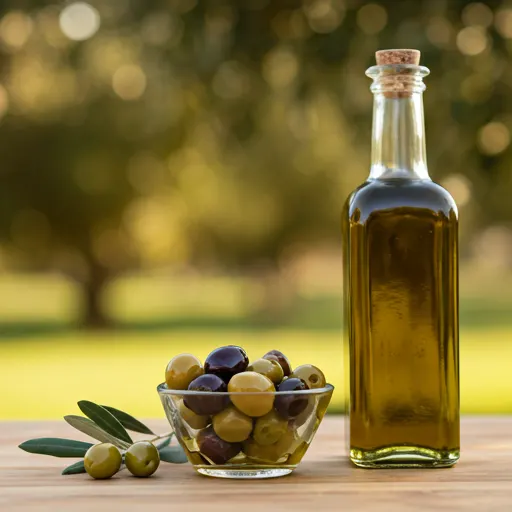
Olives and olive oil
Greek olive oil is among the best in the world and goes into almost every dish.
Tips for Travelling to Greece
- Best time to visit: spring (April to June) and autumn (September to October).
- Currency: the euro (€).
- Island hopping: ferries are the best way to travel between the islands.
Frequently Asked Questions
Do I need a visa for Greece?
Greece is part of the Schengen Area. Many nationalities can visit visa-free for short stays, while others need a Schengen visa. Entry rules change, so check the official Greek or EU government website for your passport.
When is the best time to visit Greece?
Spring (April to June) and autumn (September to October) offer the most comfortable weather for sightseeing.
How do I travel between the Greek islands?
Ferries are the most practical option for getting from one island to the next.
When should I visit the Acropolis?
Go early in the morning or near sunset to avoid the midday heat and the biggest crowds.
Conclusion
Greece has it all: ancient history, beautiful scenery and delicious food. Whether you are walking among the columns of the Parthenon or watching the sun go down over Santorini, Greece will win you over.
Ready to plan? Ask the Fastamor AI travel assistant to find flights from your city and build an itinerary that takes in Athens, the islands and Meteora.